

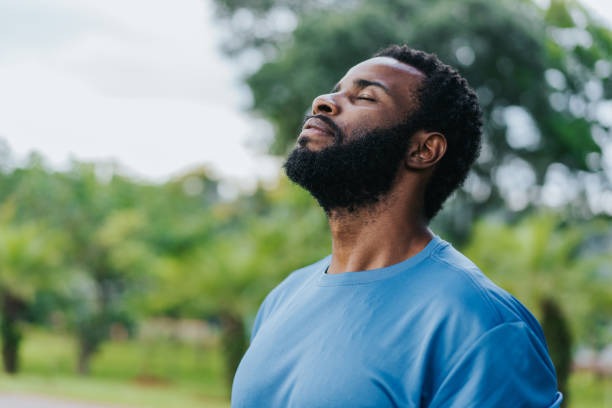
After a long day at work, the body often feels tense and fatigued, making it essential to incorporate relaxation techniques that can restore balance and promote well-being. A relaxing stretch flow after work hours offers an effective way to unwind both physically and mentally. This gentle sequence of stretches targets key muscle groups affected by prolonged sitting or repetitive movements common in many jobs. Engaging in a calm, intentional stretch routine helps release built-up tension, improves circulation, and enhances flexibility without requiring intense effort or specialized equipment.
Starting with slow neck rolls can alleviate stiffness caused by hours spent looking at screens or working in fixed positions. Gently moving the head from side to side loosens tight muscles around the cervical spine and encourages mindful breathing. Following this with shoulder shrugs and arm circles further releases upper body tension while promoting joint mobility. These movements prepare the shoulders for deeper stretches by increasing blood flow to the area.
Next, incorporating spinal twists while seated or standing aids in releasing lower back discomfort frequently experienced after sitting for extended periods. Twisting gently from one side to another stimulates spinal rotation and massages internal organs, contributing to overall relaxation. Moving into forward bends allows hamstrings best thca vape and calf muscles to lengthen gradually; these areas tend to tighten when sitting all day or wearing restrictive footwear.
A calming stretch flow also includes opening up the chest through poses such as standing chest expansions or gentle backbends performed with care not to strain sensitive areas like the lumbar spine. Opening the chest counteracts hunching postures adopted during desk work while encouraging deep diaphragmatic breathing that reduces stress hormones.
Incorporating mindful breathwork throughout each movement anchors attention in the present moment, enhancing mental clarity alongside physical relief. Slow inhalations paired with controlled exhalations help regulate heart rate and activate the parasympathetic nervous system responsible for rest-and-digest functions.
Concluding this practice with grounding poses such as seated meditation or child’s pose supports integration of benefits gained from stretching sessions by fostering stillness before transitioning into evening activities like dinner preparation or leisure time.
Regularly dedicating 15-20 minutes after work for a relaxing stretch flow cultivates resilience against daily stressors while improving posture over time. This accessible approach requires no prior experience yet delivers lasting advantages including reduced muscle soreness, enhanced mood, better sleep quality, and increased energy levels readying individuals for subsequent days’ challenges calmly and confidently.